Green Initiatives: How E-Waste Recycling Services Are Protecting Our Planet
Electronic waste presents serious dangers to the environment, as disposed electronics frequently harbor hazardous substances. These toxic materials have the potential to taint soil and water sources, causing extensive damage to surrounding ecosystems. E-waste recycling services present a viable solution. They not only recover valuable resources but also mitigate pollution. Understanding how these services operate and their impact on communities is essential. The journey towards effective e-waste management raises critical questions about individual responsibility and collective action. What steps can be taken next?
The Reasons E-Waste Is Damaging to the Planet
Although technological advancements improve modern life, electronic waste presents serious threats to the environment. Discarded electronic devices, commonly laden with hazardous materials such as mercury, lead, and cadmium, are capable of seeping pollutants into groundwater and soil, creating hazards for both wildlife and human well-being. The rapid pace of technological advancement leads to increased consumer turnover of electronics, exacerbating the accumulation of e-waste.
Landfills, already overwhelmed with refuse, find it difficult to handle the increasing amounts of discarded devices. Burning, an alternative disposal approach, discharges toxic contaminants into the air, worsening overall air quality. Moreover, poor recycling procedures can cause e-waste to be sent to developing regions, where employees may disassemble electronics without sufficient safety precautions, leaving them vulnerable to harmful substances. This cycle of neglect and improper handling underscores the urgent need for sustainable recycling solutions that can mitigate the adverse effects of e-waste on the planet.
What Is E-Waste and Its Importance?
E-waste, or electronic waste, includes discarded electronic devices including televisions, computers, and smartphones that have exceeded their operational lifespan. This increasingly prevalent form of waste is important because of its swift buildup, driven by technological advancements and consumer trends. As growing numbers of electronics become outdated, the ecological consequences become more pronounced, with dangerous elements including lead, mercury, and cadmium presenting serious hazards to the environment and human well-being.
Addressing e-waste is crucial not only for reducing these dangers but also for acknowledging the precious materials found within it. Valuable metals and rare earth materials can be extracted and repurposed, lessening the demand for mining and preserving natural resources. By understanding e-waste and its implications, individuals and organizations can make informed decisions about disposal and recycling, ultimately contributing to a more sustainable future. Effective handling of e-waste is vital for encouraging a circular economy and advancing environmental responsibility.
How E-Waste Recycling Works
The recycling of e-waste encompasses a structured approach aimed at reclaiming useful resources while limiting ecological damage. At the outset, discarded electronics are retrieved and sent to dedicated processing centers. Once there, the electronics are carefully categorized to isolate dangerous parts from recoverable materials.
After this step, technicians break down the electronics, removing metals, plastics, and glass. This phase is essential, as it makes possible the reclamation of valuable metals like silver, gold, and copper, which can be recycled in new electronic products.
Afterward, the separated materials are treated through advanced techniques, such as shredding and specialized chemical treatments, to refine them for repurposing.
Finally, the remaining hazardous materials are disposed of responsibly, adhering to environmental guidelines. This comprehensive process not only conserves resources but also minimizes the hazards associated with irresponsible electronic waste disposal, guaranteeing a greener future for electronic device usage.
The Benefits of E-Waste Recycling for You and Your Community
Though many people are unaware, the advantages of e-waste recycling reach well past personal use to meaningfully influence entire communities. By properly recycling electronic waste, individuals contribute to a healthier environment, minimizing toxic components that can seep into soil and water. This forward-thinking practice actively safeguards local ecosystems and promotes public health.
In addition, electronic waste recycling supports employment opportunities within local communities. Nearby recycling establishments regularly need employees for numerous tasks, including collection and processing, therefore offering work opportunities for community members. This not only boosts the local economy but also promotes community participation in sustainable initiatives.
Additionally, understanding of e-waste recycling can lead to educational initiatives, enabling residents to make environmentally conscious decisions. By taking part in e-waste recycling programs, individuals cultivate a culture of sustainability, inspiring others to join the movement. Overall, the shared impact of these actions can create a more strong and environmentally aware community.
How to Select an E-Waste Recycling Service
Picking the best e-waste disposal service is crucial for guaranteeing that electronic waste is handled with responsibility and sustainability. To begin, individuals should verify the service's certifications, such as R2 or e-Stewards, which signify conformance to professional guidelines for secure waste disposal procedures. Additionally, it is advisable to evaluate the company's credibility by checking reviews and obtaining recommendations from trusted sources.
Next, clarity in the recycling process is essential. A trustworthy provider should supply straightforward details about the way e-waste is handled and how the materials are utilized. Furthermore, considering the scope of services provided can prove valuable; certain providers may offer collection services or present rewards for recycling.
Ultimately, learning about area-specific requirements for e-waste disposal can additionally influence the selection process. By taking these elements into account, people are able to support successful electronic waste reduction while supporting eco-friendly habits.
How You Can Take Part in E-Waste Recycling?
Getting involved with e-waste recycling often starts at the local level, where local recycling facilities frequently offer essential services for safe disposal. Additionally, taking part in community awareness campaigns can amplify efforts to inform others regarding the importance of proper e-waste handling. Such efforts not only promote sustainability but also cultivate a collective sense of responsibility toward the environment.
Regional Recycling Centers
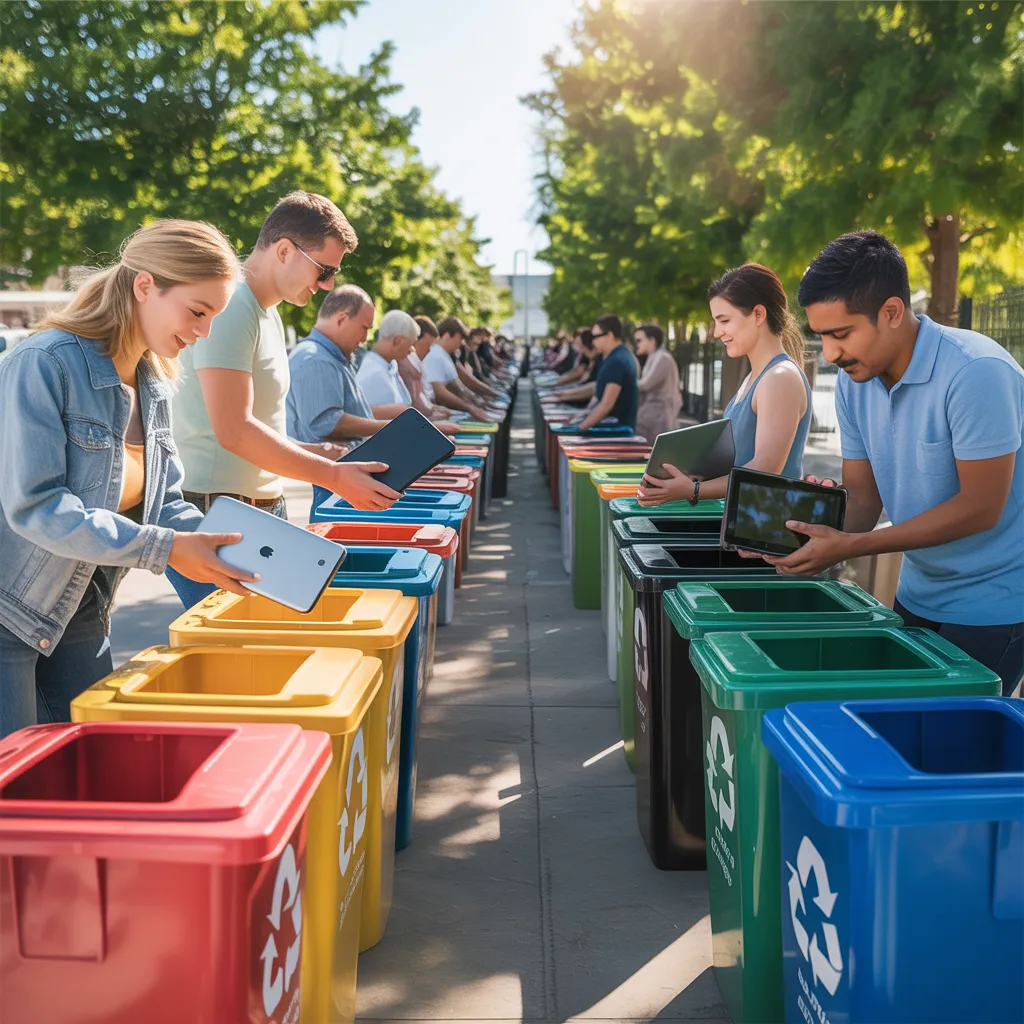
Many neighborhood recycling stations fulfill a critical purpose in the recycling of e-waste, giving communities practical solutions to handle electronic waste in a responsible manner. These stations receive a wide array of electronic devices, including aging computers, cell phones, and television sets, guaranteeing that dangerous substances are processed safely. Many hubs feature qualified professionals who can guide individuals on proper disposal methods, stressing the significance of recycling instead of landfilling. Furthermore, many centers offer drop-off events or designated collection days, making it easy for residents to participate. By taking advantage of these neighborhood resources, people help build a circular economy, minimizing ecological impact and fostering sustainable behaviors. Partnering with these facilities allows communities to address e-waste pollution proactively.
Community Awareness Campaigns
Nearby organizations, schools, and enterprises can collaborate to host events that promote e-waste collection drives. Community members can serve a critical function in raising awareness, sharing informational resources, and connecting with local residents. Through these collective efforts, local inhabitants gain greater awareness and encouragement to properly recycle their e-waste, thereby helping to build a greener and more sustainable tomorrow.
Answers to Your Most Common Questions
What Kinds of Electronics Can Be Recycled?
Many different electronics can be recycled, including laptops, televisions, smartphones, printers, computers, and gaming consoles. Furthermore, ancillary devices such as keyboards, mice, and batteries are equally appropriate for recycling, aiding in eco-friendly conservation initiatives.
Is There a Cost Associated With E-Waste Recycling?
Indeed, e-waste disposal sometimes comes with charges, based on the facility. Certain providers apply costs for gathering or treatment, while other facilities offer free services, frequently supported by the sale of reclaimed components.
How Do Businesses Gain From E-Waste Recycling?
Organizations can gain from e-waste recycling by minimizing disposal costs, enhancing their environmental image, adhering to regulatory requirements, reclaiming useful materials, and creating potential earnings Read the article via resale, thus supporting a greener and more sustainable operational framework.
What Happens to Data on Recycled Devices?
Data from refurbished equipment is often irretrievably wiped or obliterated throughout the recycling process. This guarantees sensitive information remains secure, preventing unauthorized access while allowing materials to be reused safely and responsibly across new manufacturing processes.
Can I Recycle Broken Electronics?
Absolutely, defective electronics can be recycled. Many facilities accept defective devices, guaranteeing safe disposal and extraction of precious materials. This helps lower environmental impact while fostering sustainable recycling habits to handle electronic waste responsibly.